
Thermal Inspection in Mumbai & Pune — Detect Hidden Defects Before They Cost You Thousands
Professional thermal inspection using advanced infrared imaging technology to reveal hidden leakages, dampness, seepage, and electrical hotspots that are invisible to the naked eye. Save ₹50,000 to ₹1 lakh+ by catching these defects early during your comprehensive home inspection.
What is Thermal Inspection?
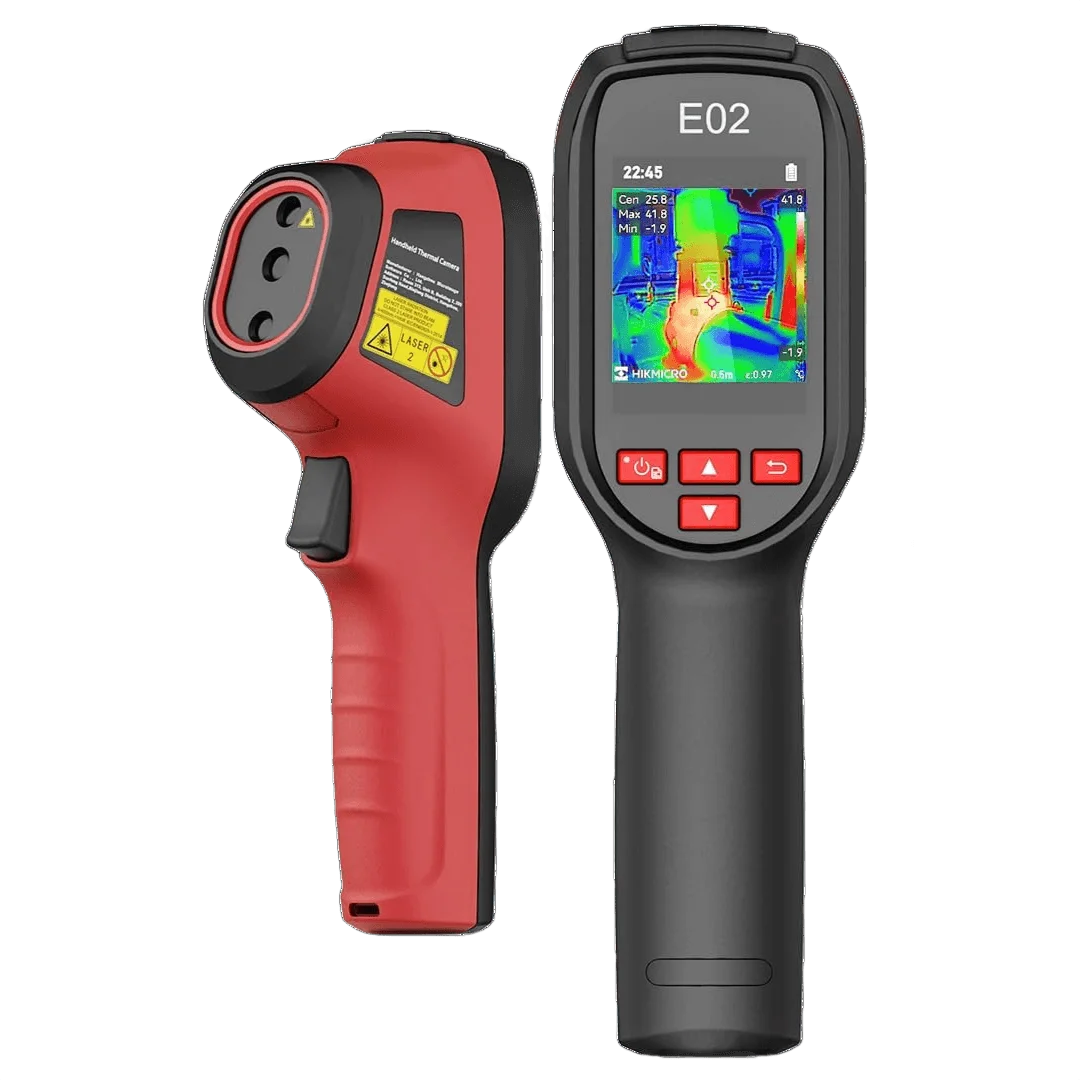
Thermal inspection, also known as infrared thermal imaging or thermography, is a cutting-edge non-invasive inspection technology that uses specialized infrared cameras to detect temperature variations in building surfaces and structures.
These advanced cameras capture invisible heat signatures that reveal hidden problems such as water leaks, electrical issues, insulation gaps, and moisture accumulation. Unlike traditional visual inspections, thermal imaging can detect issues behind walls, under floors, and in concealed areas without any damage to your property.
How it works: All objects emit infrared radiation based on their temperature. Thermal cameras convert this radiation into visible images called thermograms, where different colors represent different temperatures. Anomalies like water leaks, electrical hotspots, or insulation gaps create distinct thermal patterns that trained inspectors can identify and document.
Non-Invasive Technology
No drilling, cutting, or damage to your property. Completely safe and passive inspection method.
See the Invisible
Detects problems hidden behind walls, under floors, and in concealed areas that visual inspection cannot find.
Real-Time Detection
Instant visualization of thermal anomalies allows immediate identification and documentation of issues.
Great Benefits of Thermal Inspection
Save Significant Money
Early detection of hidden defects can save you ₹50,000 to ₹1 lakh+ in repair costs. Issues caught before interior work begins can be fixed by builders at no cost to you.
Prevent Future Problems
Identify potential issues before they become major problems. Early detection prevents structural damage, mold growth, and electrical hazards.
Ensure Safety
Detect electrical hotspots and fire hazards before they cause damage. Protect your family and property from potential safety risks.
Comprehensive Documentation
Get detailed thermal images and reports that serve as legal documentation for builder communication and RERA compliance.
Time Efficient
Quick and efficient inspection process. Thermal scanning adds only 30-45 minutes to your standard home inspection.
Peace of Mind
Know exactly what you're buying. Complete transparency about your property's condition before taking possession.
How Thermal Inspection Reveals Hidden Issues During Comprehensive Home Inspection
Thermal inspection is particularly powerful at detecting three critical types of hidden defects that are often missed during standard visual inspections:
Hidden Leakages
What it detects: Water leaks inside walls, under floors, behind tiles, and in concealed plumbing areas.
How thermal imaging works: Water has a different temperature than surrounding materials. Leaking water creates distinct thermal patterns that appear as cool spots (wet areas) or warm spots (active leaks) on thermal images.
- Leaks in bathroom and kitchen plumbing
- Water seepage from adjacent units
- Roof and terrace leakages
- Concealed pipe bursts
Impact: Undetected leaks can cause structural damage, mold growth, and cost ₹30,000-₹80,000+ to repair after interior work begins.
Dampness & Seepage
What it detects: Moisture accumulation inside walls, rising dampness, and water seepage from external sources.
How thermal imaging works: Moisture changes the thermal properties of building materials. Damp areas retain heat differently, creating visible thermal anomalies that indicate moisture presence even when walls appear dry.
- Rising dampness from foundation
- Moisture ingress from external walls
- Condensation issues
- Waterproofing failures
Impact: Dampness leads to paint peeling, structural weakening, and health hazards. Repair costs range from ₹25,000-₹75,000+.
Electrical Hotspots
What it detects: Overheating in electrical connections, overloaded circuits, loose connections, and faulty wiring.
How thermal imaging works: Electrical resistance generates heat. Faulty connections, overloaded circuits, or loose wires create hotspots that appear as bright warm areas on thermal images, even when they're hidden behind panels or walls.
- Overheating in distribution boards
- Loose connections in junction boxes
- Overloaded circuits
- Faulty wiring behind walls
Impact: Electrical hotspots pose fire hazards and can damage appliances. Early detection prevents potential disasters and saves ₹20,000-₹60,000+ in rewiring costs.
How Customers Save Money by Including Thermal Inspection in Home Inspection Package
Including thermal inspection as part of your comprehensive home inspection package is one of the smartest investments you can make as a homebuyer. Here's how it saves you significant money:
Early Detection = Builder Responsibility
When defects are detected before possession, builders are legally obligated to fix them at no cost to you. Once you take possession and start interior work, these repairs become your financial responsibility.
Savings: ₹30,000 - ₹80,000+ per major defect
Avoid Expensive Demolition & Rework
Hidden leaks or electrical issues discovered after interior work begins require breaking tiles, removing false ceilings, and demolishing finished work. Thermal inspection catches these issues early, avoiding costly rework.
Savings: ₹50,000 - ₹1,50,000+ in rework costs
Prevent Secondary Damage
Undetected leaks cause secondary damage like mold growth, structural weakening, and damage to furniture and belongings. Early detection prevents these cascading costs.
Savings: ₹20,000 - ₹60,000+ in secondary damage
Electrical Safety & Appliance Protection
Detecting electrical hotspots early prevents fire hazards and protects your expensive appliances from damage due to faulty wiring or overloaded circuits.
Savings: ₹15,000 - ₹50,000+ in appliance repairs/replacement
Total Potential Savings
₹50,000 to ₹1,00,000+
By including thermal inspection in your home inspection package, you can potentially save ₹50,000 to ₹1 lakh or more by catching hidden defects early. The cost of thermal inspection is minimal compared to the potential savings.
Thermal Inspection Sample Reports
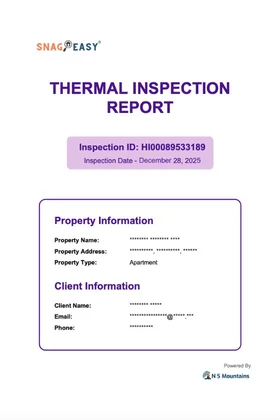
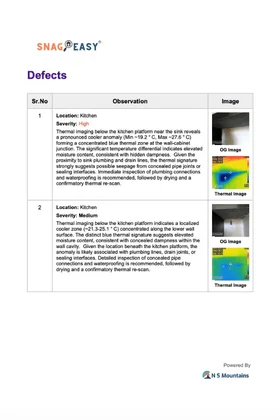
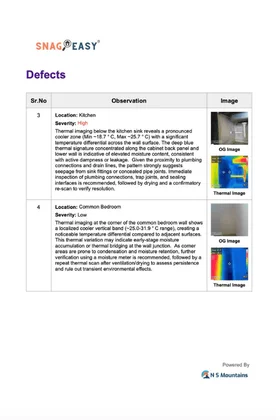
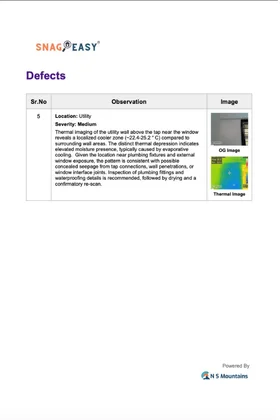
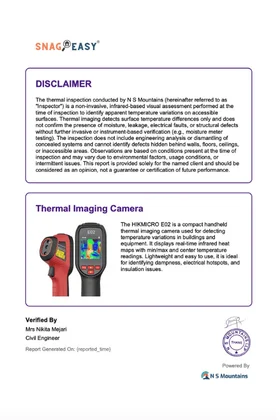
Our comprehensive thermal inspection reports include detailed thermal images, analysis, and actionable recommendations. View sample reports below:
📸 High-Resolution Thermal Images
Clear thermal images showing detected anomalies with temperature scale references and location markers.
📊 Detailed Analysis
Technical analysis explaining what each thermal anomaly indicates, its severity, and potential impact.
📍 Precise Location Mapping
Exact location of each detected issue marked on floor plans and building layouts for easy reference.
🔧 Recommended Actions
Specific recommendations for rectification, including priority levels and estimated repair complexity.
📋 Comparison Analysis
Comparison with normal thermal patterns to help builders understand the deviation and required corrections.
✅ RERA Compliance
All reports are formatted to meet RERA compliance standards and can be used for official builder communication.
Note: Sample thermal images and reports are provided during the inspection. All findings are documented with both thermal and standard photographs for comprehensive documentation.
Related Home Inspection Services
Home Inspection in Mumbai
Comprehensive 200+ point home inspection services in Mumbai with thermal imaging and RERA-compliant reports.
Learn More →Home Inspection in Pune
Professional pre-possession home inspection in Pune with advanced thermal imaging technology and detailed snag reports.
Learn More →Home Inspection in Bangalore
Tech-driven AI-powered home inspection in Bangalore with thermal imaging and 200+ checkpoint RERA-compliant reports.
Learn More →Common Hidden Defects
Learn about expensive hidden defects found during home inspection and how to detect them early.
Learn More →Home Inspection Checklist
Get your free comprehensive 200+ checkpoint inspection checklist for thorough property evaluation.
Learn More →Inspector App
Experience our revolutionary Inspector App with real-time defect logging and AI-powered accuracy.
Learn More →Professional Inspection Demo
Watch how professional home inspection is conducted with advanced tools and technology.
Learn More →Frequently Asked Questions
What is thermal inspection and how does it work?
Thermal inspection uses infrared thermal imaging cameras to detect temperature variations in building surfaces. These cameras capture invisible heat signatures that reveal hidden issues like water leaks, electrical hotspots, insulation gaps, and moisture problems that are not visible to the naked eye.
All objects emit infrared radiation based on their temperature. Thermal cameras convert this radiation into visible images called thermograms, where different colors represent different temperatures. Anomalies create distinct thermal patterns that trained inspectors can identify and document.
What hidden issues can thermal inspection detect?
Thermal inspection can detect:
- Hidden water leakages: Leaks inside walls, under floors, behind tiles, and in concealed plumbing areas
- Dampness and seepage: Moisture accumulation inside walls, rising dampness, and water ingress
- Electrical hotspots: Overheating in connections, overloaded circuits, and faulty wiring
- Insulation gaps: Missing or inadequate insulation affecting energy efficiency
How much money can I save by including thermal inspection in my home inspection package?
Including thermal inspection in your home inspection package can save ₹50,000 to ₹1 lakh+ by detecting hidden defects early. Here's the breakdown:
- Early detection ensures builders fix issues at no cost to you (savings: ₹30,000-₹80,000+ per major defect)
- Avoid expensive demolition and rework after interior work begins (savings: ₹50,000-₹1,50,000+)
- Prevent secondary damage like mold growth and structural weakening (savings: ₹20,000-₹60,000+)
- Protect appliances from electrical issues (savings: ₹15,000-₹50,000+)
The cost of thermal inspection is minimal compared to these potential savings.
Is thermal inspection safe and non-invasive?
Yes, thermal inspection is completely safe and non-invasive. It uses passive infrared technology that only detects heat signatures - no radiation or harmful emissions. The process doesn't require drilling, cutting, or any damage to your property. It's a passive inspection method that simply reads the natural infrared radiation emitted by objects.
How long does a thermal inspection take?
A comprehensive thermal inspection typically adds 30-45 minutes to a standard home inspection. For a complete home inspection with thermal imaging, expect 2.5-3.5 hours for a 2BHK property. The thermal scanning process is quick and efficient, covering all critical areas including walls, floors, electrical panels, plumbing areas.
Do you provide thermal inspection reports with images?
Yes, our comprehensive thermal inspection reports include:
- High-resolution thermal images showing detected anomalies
- Temperature scale references and location markers
- Detailed technical analysis of findings
- Severity ratings and priority levels
- Recommended corrective actions
- Comparison with normal thermal patterns
- Precise location mapping on floor plans
All findings are documented with both thermal and standard photographs for comprehensive documentation. Reports are RERA-compliant and suitable for builder communication.
Can thermal inspection detect issues that visual inspection cannot?
Absolutely. Thermal inspection excels at detecting issues that are completely invisible during visual inspection:
- Water leaks behind walls or under floors
- Moisture inside walls before it becomes visible
- Electrical hotspots in concealed wiring
- Insulation gaps behind finished surfaces
These issues often don't show visible signs until they've caused significant damage. Thermal inspection catches them early, saving you money and preventing problems.
When is the best time to conduct thermal inspection?
The best time for thermal inspection is:
- Before taking possession: Catch defects early when builders are responsible for repairs
- Before starting interior work: Avoid expensive rework by detecting issues first
- During comprehensive home inspection: Include thermal imaging as part of your complete inspection package
Once interior work begins, defects become expensive to repair. Early detection ensures builders rectify issues at no additional cost to you.
Don't Let Hidden Defects Cost You Thousands
Book your thermal inspection today and ensure a defect-free possession experience. Save money by catching hidden issues early.
Powered By