
Professional Home Inspection Tools
Complete Guide to Tools, Usage, Skillset, and Their Importance in High-Standard Home Inspection
Professional inspection tools are essential for accurate, comprehensive home assessment. This guide covers all tools used in high-standard home inspection, how to use them, required skillset, and their critical importance.
Why Professional Tools Are Essential
Hidden Defect Detection
Visual inspection alone misses 40-50% of defects. Professional tools reveal concealed issues like hidden leaks, electrical hotspots, and structural problems.
Accurate Measurements
Precise tools ensure accurate area measurements, moisture levels, and electrical readings—critical for RERA compliance and safety verification.
Early Problem Identification
Early detection through advanced tools prevents minor issues from becoming major repairs, saving you thousands of rupees.
Documented Evidence
Tool-based readings provide objective, measurable evidence that developers accept, making defect rectification faster and more effective.
Benefits of Professional Tool-Based Inspection
Comprehensive Coverage
Tools enable inspection of areas inaccessible to visual inspection, ensuring 100% coverage of your property.
Objective Assessment
Measurable data eliminates subjective opinions, providing concrete evidence for defect claims.
Cost Savings
Early detection prevents expensive post-possession repairs, potentially saving ₹50,000 to ₹2,00,000 or more.
RERA Compliance
Accurate area measurements and documented defects ensure compliance with RERA regulations and strengthen your claims.
Safety Assurance
Electrical and structural testing ensures your home is safe for occupancy, preventing accidents and hazards.
Developer Acceptance
Professional tool-based reports are widely accepted by developers, making rectification faster and more effective.
Complete Tool Inventory
Our professional inspection toolkit includes 10 essential tools, each serving a specific purpose in comprehensive home assessment.
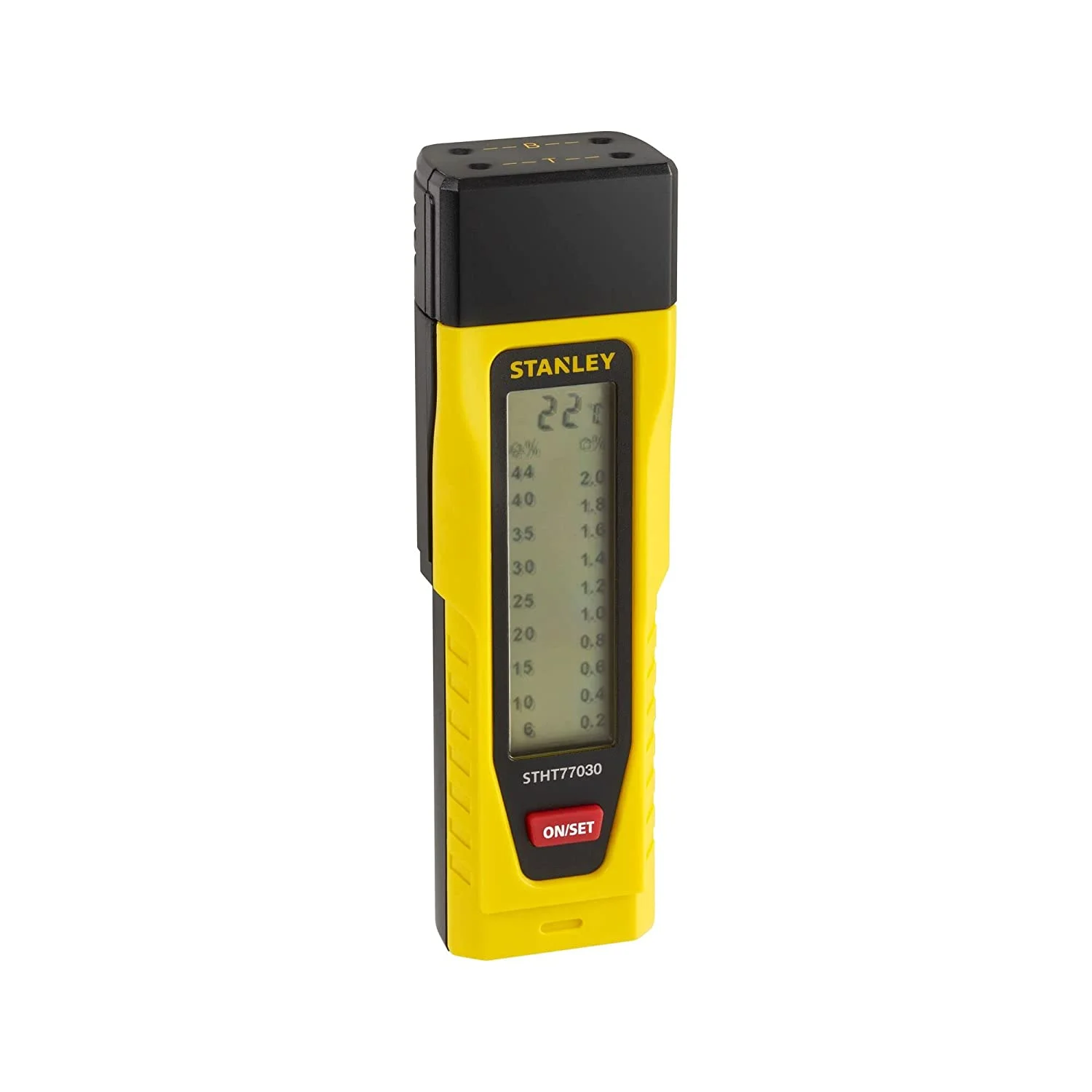
Moisture Meter
Non-invasive device measuring moisture content in walls, floors, and ceilings
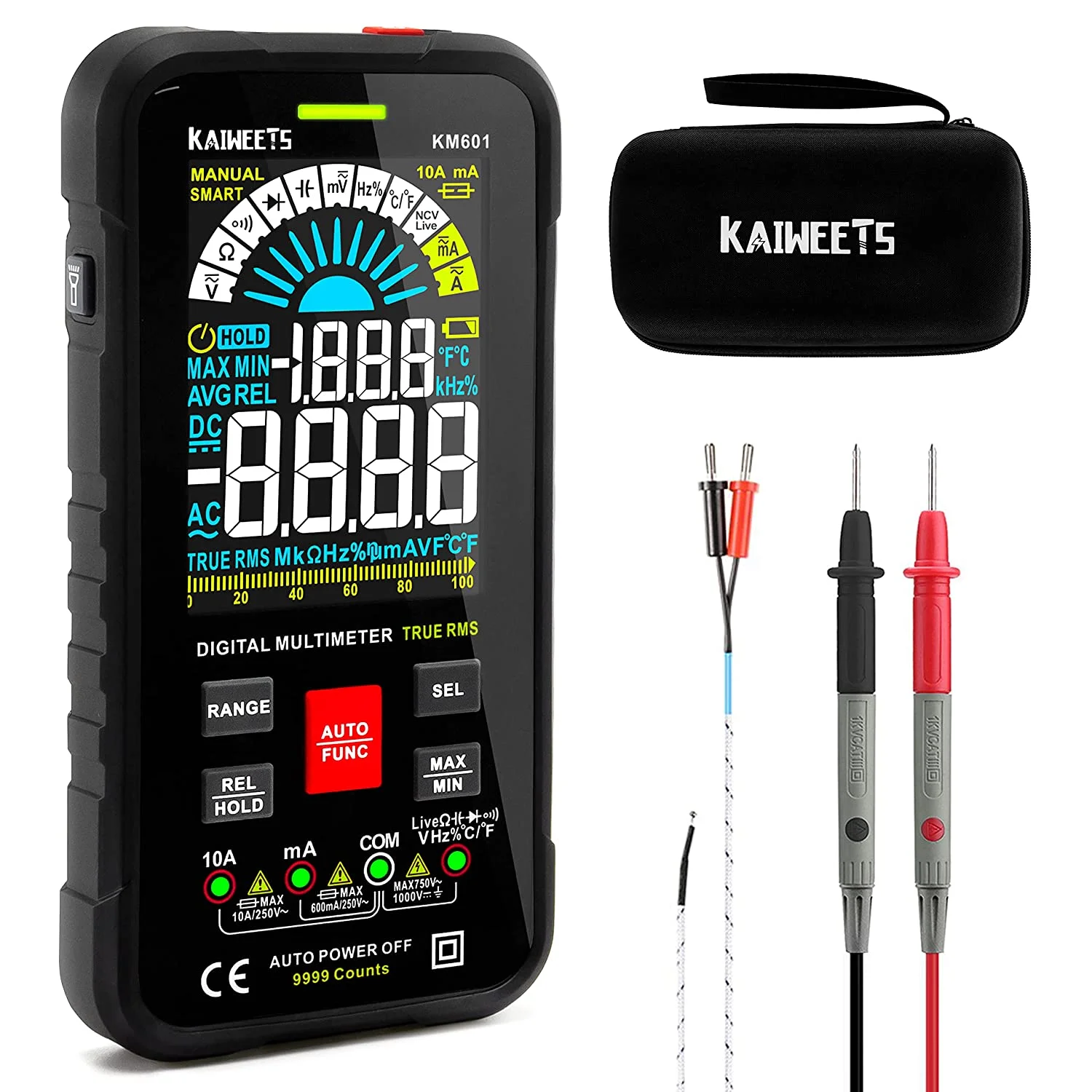
Digital Multimeter
Professional electrical testing equipment for voltage, current, and resistance measurements
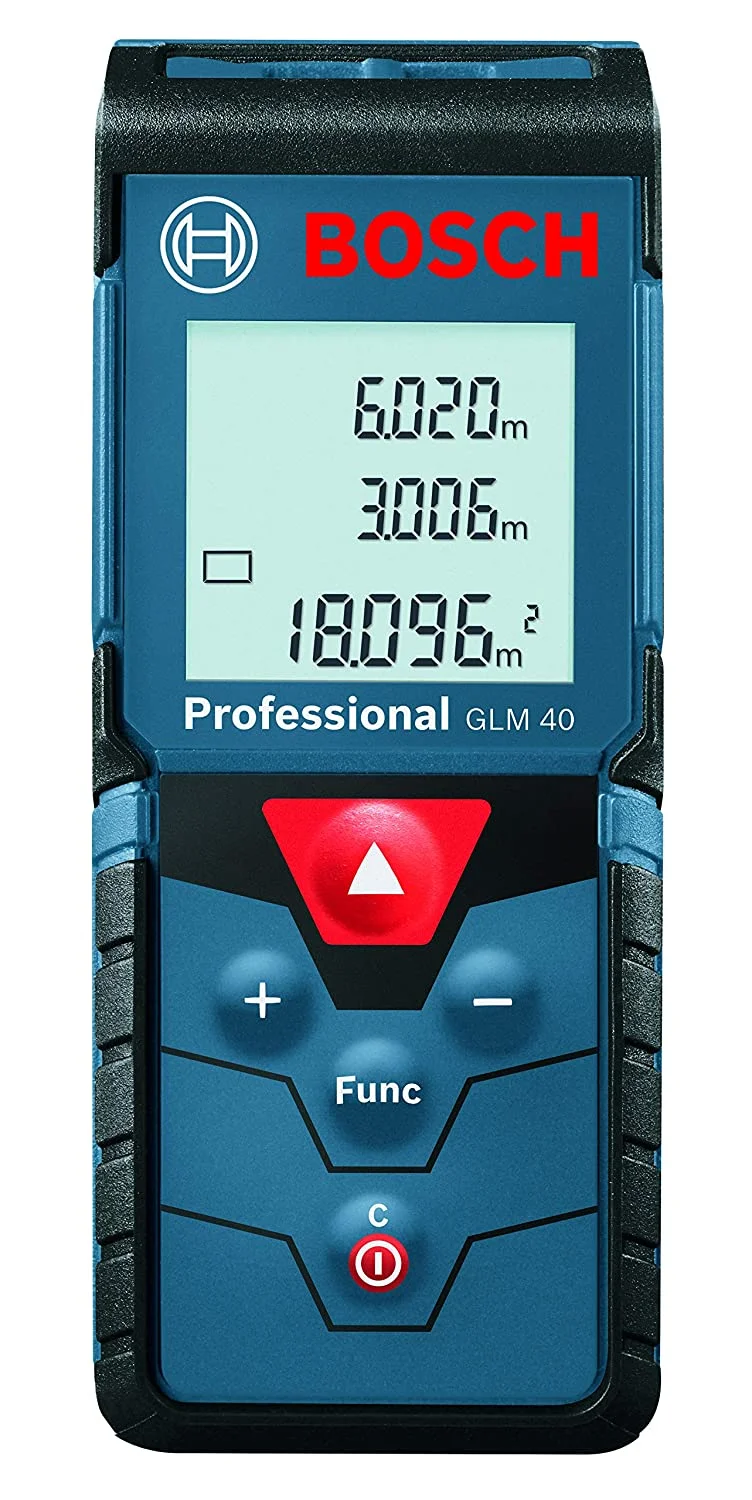
Digital Measuring Tape
Precise laser-based measurement tool for RERA carpet area verification
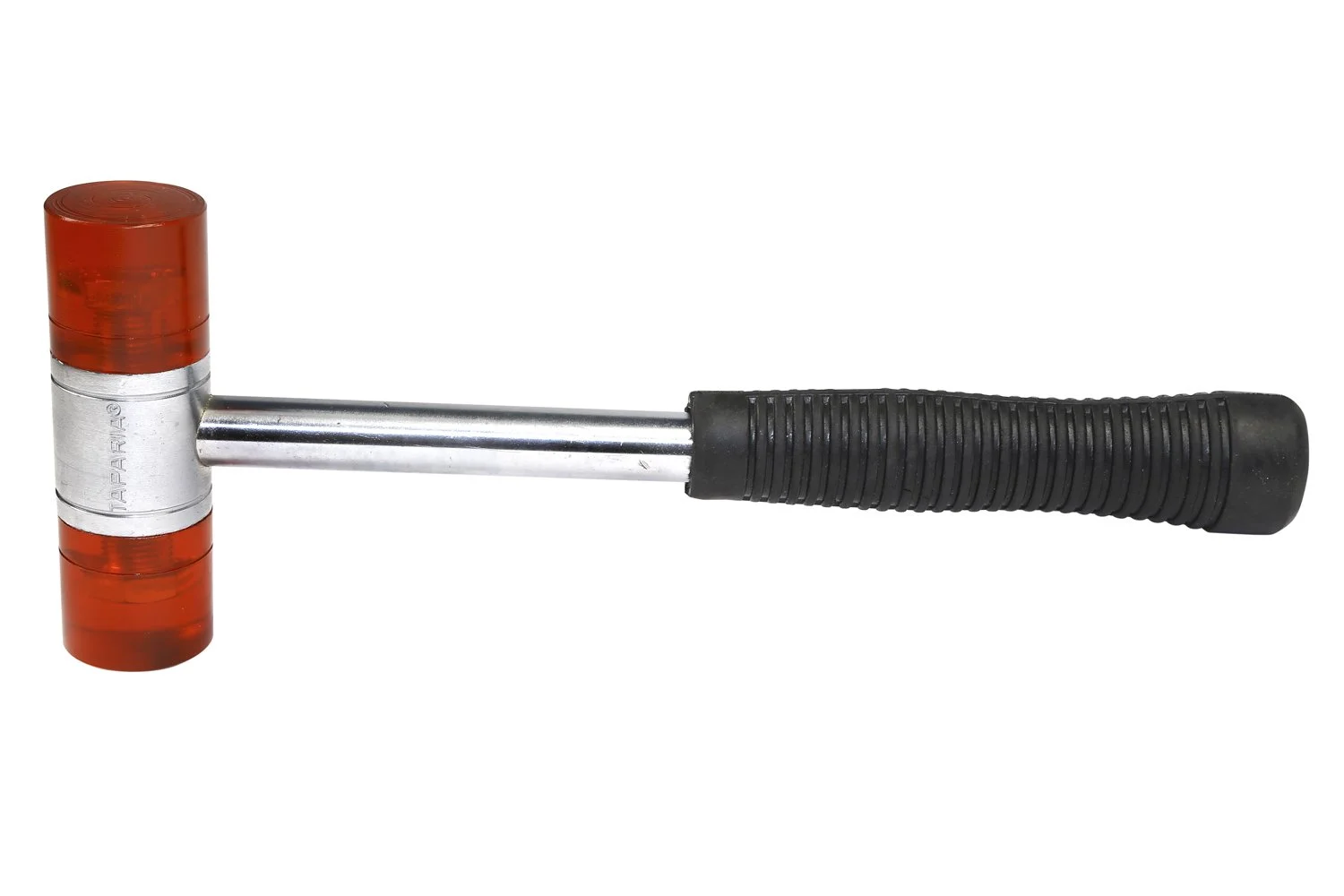
Rubber Mallet
Specialized tool to detect hollow tiles and loose bonding
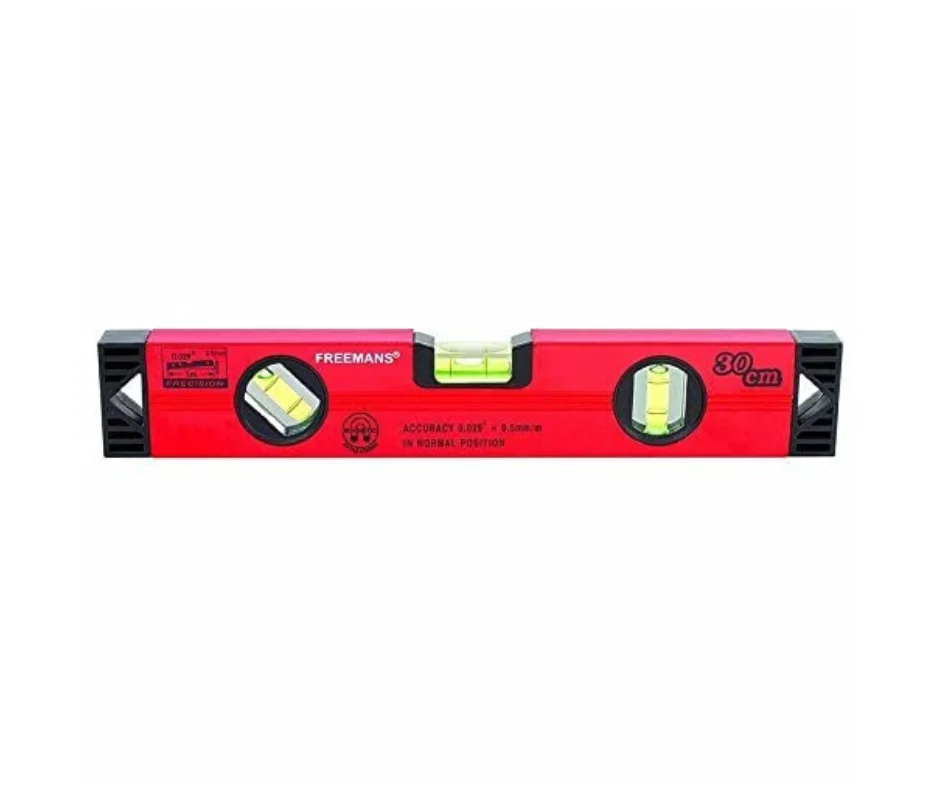
Level Strip
Precision leveling tool to check floor and wall alignment
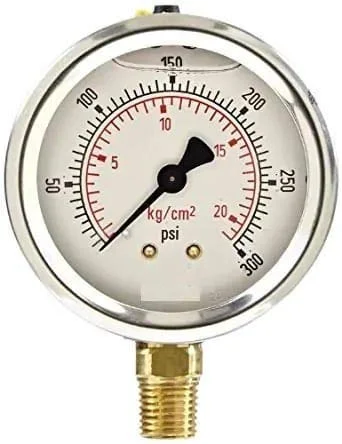
Water Pressure Gauge
Measures water pressure in plumbing systems
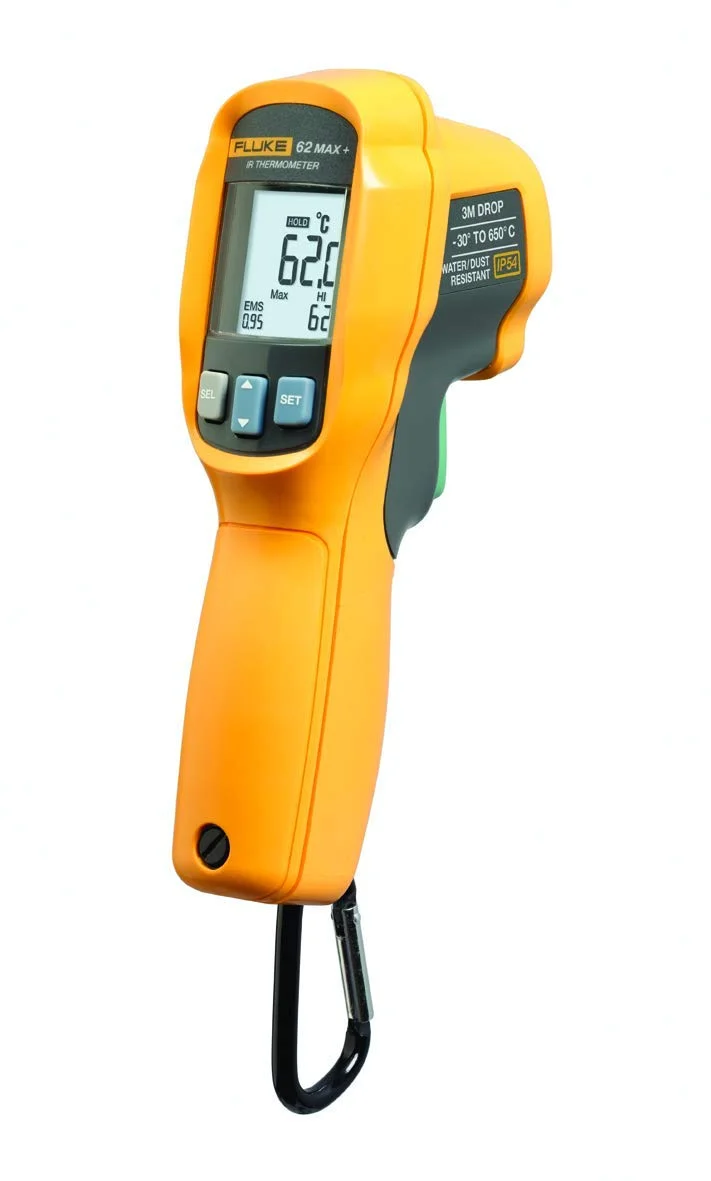
Infrared Thermometer
Advanced infrared technology to detect hidden moisture, electrical hotspots, and temperature variations
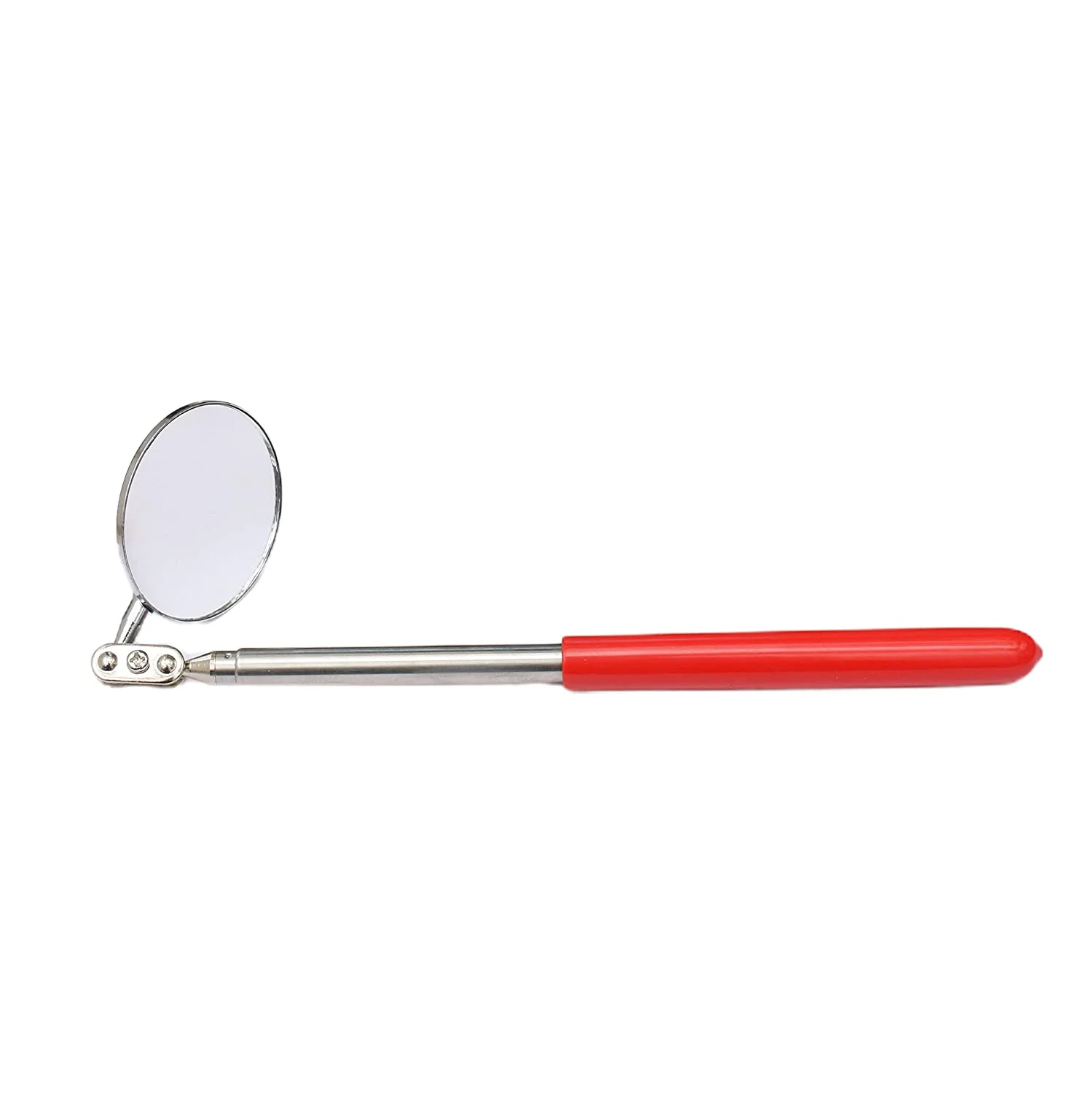
Inspection Mirror
Angled mirror for inspecting hard-to-reach areas
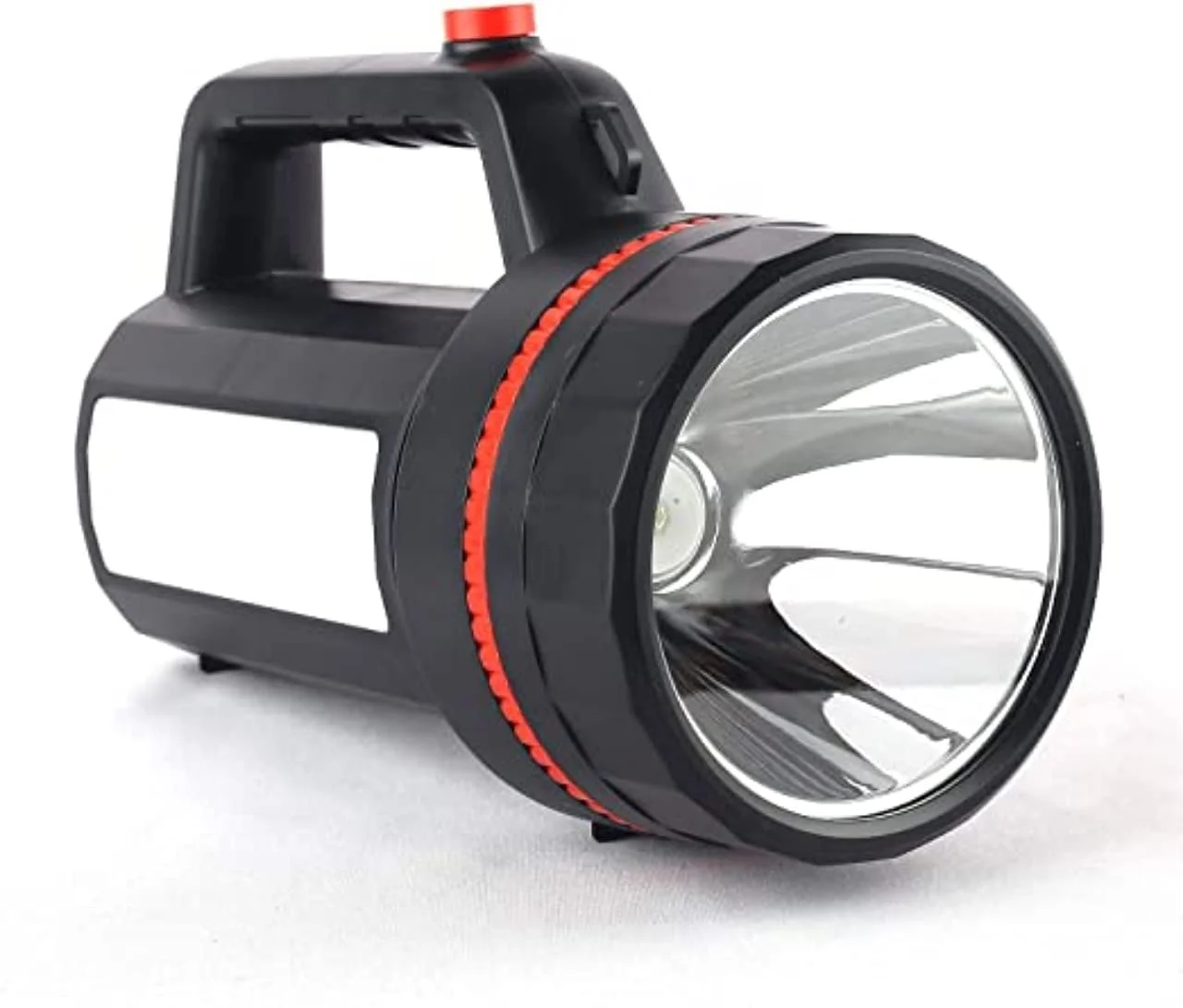
Flashlight
High-intensity lighting tool for inspecting dark areas and concealed spaces
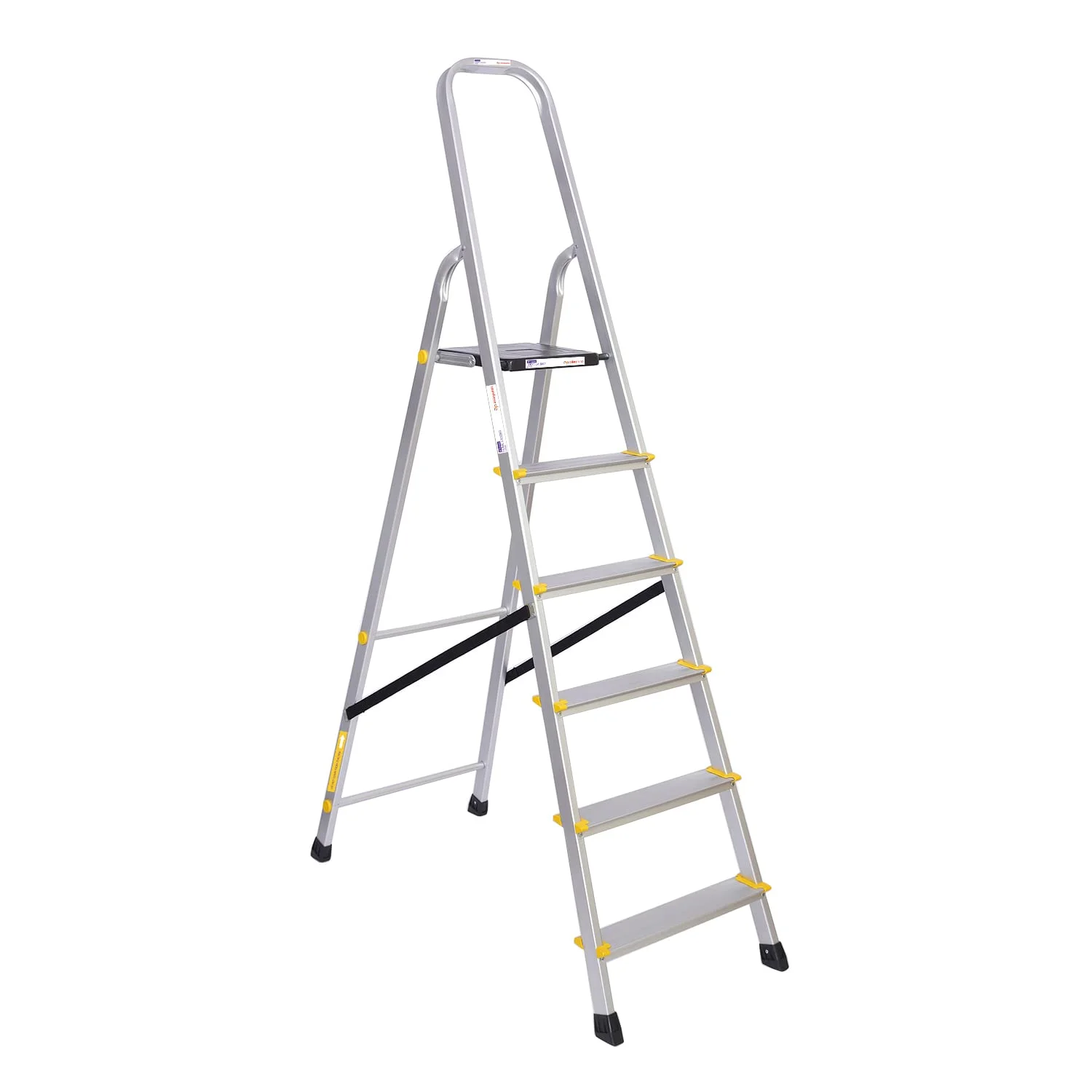
Foldable Ladder
Portable ladder for safe access to high areas during inspection
Required Skillset for Professional Home Inspection
Effective use of inspection tools requires specialized knowledge and training. Here's what makes a professional inspector:
Technical Knowledge
- Civil or Electrical Engineering degree or equivalent certification
- Understanding of building codes and construction standards
- Knowledge of RERA regulations and compliance requirements
- Familiarity with IS/IEC standards for electrical systems
Tool Proficiency
- Hands-on training with each inspection tool
- Ability to interpret tool readings accurately
- Understanding of tool limitations and proper usage
- Knowledge of calibration and maintenance requirements
Experience
- Minimum 2-3 years of field inspection experience
- Experience with various construction types and materials
- Familiarity with common defects and their identification
- Understanding of local building practices and standards
Who Can Use Professional Inspection Tools?
While professional tools are powerful, they require proper training and expertise. Here's who should use them:
Certified Home Inspectors
Professionals with formal training and certification in home inspection. They have the knowledge to use tools correctly and interpret results accurately.
Civil/Electrical Engineers
Engineers with field experience can effectively use inspection tools, especially those related to their specialization (civil for structural, electrical for electrical systems).
Building Surveyors
Licensed surveyors trained in building assessment and defect identification. They understand construction standards and can use tools to verify compliance.
Quality Control Professionals
QC professionals with construction industry experience can use tools to verify workmanship quality and identify defects.
Trained Technicians
Technicians with specific tool training (e.g., thermal imaging certification) can use specialized tools under supervision.
⚠️ Important: Untrained individuals should not attempt to use professional inspection tools, especially electrical testing equipment, as improper use can be dangerous and lead to inaccurate results.
How Tools Enable High-Standard Home Inspection
Professional tools are the foundation of high-standard home inspection. Here's how they elevate inspection quality:
Scientific Accuracy
Tools provide measurable, quantifiable data rather than subjective observations. This scientific approach ensures accuracy and reliability.
Comprehensive Detection
Advanced tools like thermal imagers and moisture meters detect defects that are invisible to the naked eye, ensuring comprehensive coverage.
Documented Evidence
Tool readings create objective evidence that can be documented, shared, and used for claims. This documentation is crucial for RERA compliance and developer acceptance.
Consistent Standards
Tool-based inspection follows standardized procedures and thresholds, ensuring consistent quality across all inspections regardless of inspector experience.
Early Detection
Tools identify problems at early stages when they're easier and cheaper to fix, preventing minor issues from becoming major repairs.
Professional Credibility
Tool-based reports demonstrate professionalism and technical competence, increasing credibility with developers, buyers, and regulatory authorities.
Experience Professional Tool-Based Inspection
Book a comprehensive home inspection with SnagEasy and benefit from our professional tool-based assessment
Powered By